
The Healing Process: Part 1

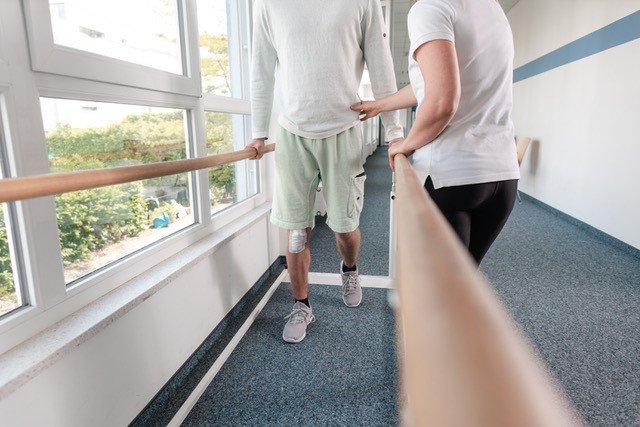
In today’s world of Instant Messaging and next-day deliveries, individuals often have similar expectations for their body’s healing process. Mind over Matter typically allows about a 2 week time-frame, after which a person thinks they should be better and ready to go.
Particularly related to musculoskeletal conditions, healing from an injury or a surgery follows a timeline that is determined by nature– not willpower. Certain structures naturally heal at specific rates. Age, sleep, exercise, and nutrition can further influence the healing process. Specifically, age must be remembered when considering healing rates since it cannot be changed; one may expect the healing process to require one or two additional weeks for each decade after 30 years of age.
Here are some simple self-care strategies that you can add to your arsenal of self-care to keep your ribs and thoracic spine moving and optimize the neural pathways—even if you spend prolonged times in the saddle.
As one heals, attending to Matter (the body) over Mind is of utmost importance. It is normal to be fatigued during the healing process; an individual has a finite amount of energy to expend each day. If that energy is allocated to the healing process, there will be less energy for other “normal” activities. Furthermore, the effects of general anesthesia after a surgery can cause brain-fog and fatigue for months afterwards. If there are multiple surgeries within a short timeframe, these effects are even more pronounced.

HYDRATION: DRINK 10 8-OZ GLASSES OF WATER PER DAY.
Nearly 2/3 of the human body is made up of fluid. This includes 90% of the blood, 80% of the brain, 73% of the muscle, 60% of the skin, and 22% of the bone. As little as a few hours without replenishing the water in your body can cause dehydration and impact all your body’s processes. Dehydration is characterized by headaches, fatigue, the feeling of extreme hunger, and foggy memory. Water cleanses your system, detoxifies your cells, and acts as a giant cooling system to regulate your body temperature and carry oxygen and nutrients to all the thirsty cells. (Bonus: lemon has proven antiviral and antibacterial properties.)

GET 7 TO 9 HOURS OF SLEEP EACH NIGHT.
During the 24-hour day, there is normally a balance between degradation (breaking down) and renewal (rebuilding) within the body; while awake, our activities increase degradation and sleep shifts the balance towards renewal. Deep sleep stimulates the release of most of our growth hormone, which is essential to enhancing our formation of red blood cells and bone. Cell division and protein synthesis also reach maximal levels during the sleeping hours. This means that when tissues have been damaged, the rate of healing is greatest during sleep.