
Shin Splints

Many people find themselves asking these questions. The medical field has had a difficult time diagnosing people with “shin splints” because there was not an agreed upon medical diagnosis name until recently.

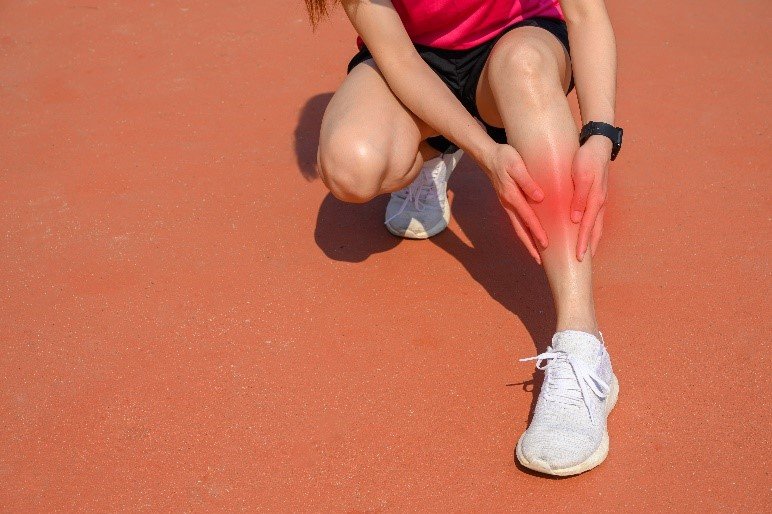
Medial tibial stress syndrome (MTSS) is now used to define “pain along the posteromedial border of the tibia that occurs during exercise, excluding pain from ischemic origin or signs of stress fracture.” Pain comes from along the inside border of the middle-to-lower shin, is localized only to that area, and occurs during exercise. Health care providers must rule out a couple other diagnoses that have a similar pain presentation to confirm that a true MTSS is present.
1. Pain of ischemic origin, like exertional compartment syndrome, is one problem that needs to be ruled out. This is where a portion of the leg does not receive the oxygenated blood it needs to perform optimally with increased activity.
2. Stress fracture also needs to be ruled out. This is where tiny cracks develop in the bone due to repetitive force or overuse. MRIs provide the best imaging to identify this problem.
Once these two diagnoses are ruled out, medial tibial stress syndrome can be diagnosed.
There are a few risk factors for MTSS, including excessive midfoot pronation, a higher body mass index (BMI), greater internal and external hip ranges of motion, and the female sex. Physical therapists can help identify situations of overpronation and provide ‘core’ foot and ankle strengthening exercises to prevent excessive movement, and/or recommend the proper orthotics, if needed. Greater hip internal and external ranges of motion can be addressed conservatively as well; physical therapists are experts in training muscles and movement patterns that focus on midrange motions, thereby avoiding pain during activity. Having a higher body mass index generally is related to being overweight. Adopting a healthy diet and lifestyle could help lessen the force and stress that is placed on the bones and muscles of the lower legs due to increased load.
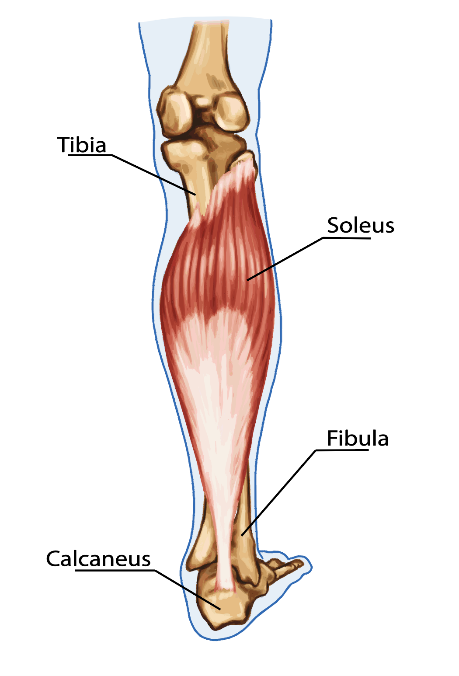
Once the risk factors are accounted for, the tender soft tissue structures can be addressed. One cause of pain in MTSS is excessive stress and repetitive overuse of the deep foot/toe flexors, which frequently happens with long-distance running, cross-country skiing, or exercising on hard surfaces. The tibialis posterior, flexor digitorum longus, and soleus are some of the main muscles that are involved. Soft tissue inflammation and mobility restrictions frequently accompany shin splints. Mobilization of these structures can restore normal joint and muscle mechanics needed for return to full activity. Soft tissue mobilization of the inner lower leg musculature, including the posterior tibialis, soleus, and flexor digitorum longus, can be helpful in decreasing pain and restoring optimal muscle firing.
Finally, an important aspect of the rehabilitation of MTSS is relative rest and activity dosage modification. Often, it is necessary to decrease frequency or intensity of activity to reduce stress through the lower leg structures for healing and recovery to occur. By identifying the stage of injury versus healing, a physical therapist can help reset the dosage of intensity and frequency of the exercise/sport program based on the severity of symptoms and clinical findings.

If you find yourself identifying with the symptoms and risk factors stated above, seek medical advice, or visit a physical therapist at Advanced Physical Therapy at one of our 5 locations, so you can get back out on the snow pain-free.
Moen MH, Tol JL, Weir A, Steunebrink M, De Winter TC. Medial tibial stress syndrome: a critical review. Sports Med. 2009;39(7):523-46