
Managing Knee Pain After Surgery: What to Expect
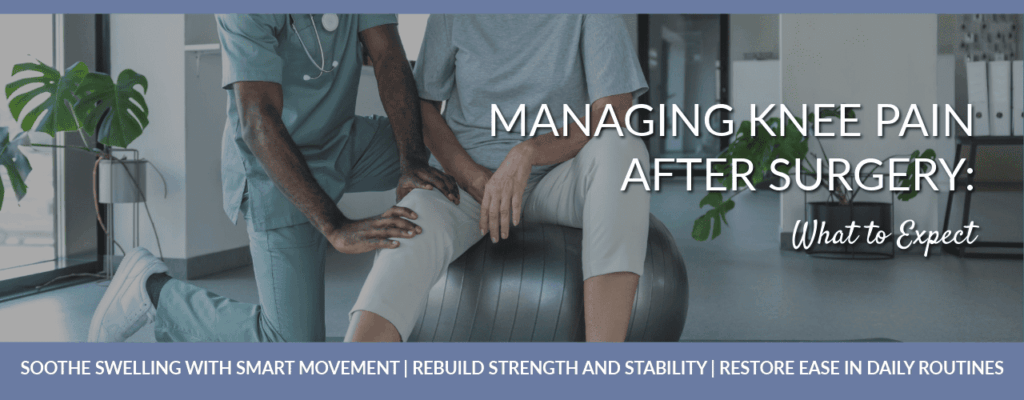
After knee surgery, most people expect pain relief, not more discomfort. Yet it’s common to feel knee pain after surgery as your body heals and adjusts. The stiffness, swelling, and soreness you feel aren’t setbacks, though; they are signs your body is rebuilding strength and stability.
However, while some pain is normal during healing, the right care ensures it doesn’t turn into a long-term problem. If you’re struggling with post-surgical knee pain, understanding why it happens and how physical therapy at Advanced Physical Therapy helps can make recovery smoother and faster.
The Reality of Knee Pain After Surgery
Immediately after surgery, tissues around the knee are inflamed, and muscles may weaken from inactivity. Pain often increases when you start moving again. While this can be discouraging, controlled movement through physical therapy is one of the best ways to restore comfort and function.
Common Causes of Post-Surgical Knee Pain
Inflammation and Swelling
- Surgery naturally causes tissue irritation, making the joint feel stiff and sore.
Muscle Weakness
- Muscles that support the knee lose strength during rest, increasing pressure on healing tissues.
Scar Tissue Formation
- Stiffness or tightness around the incision can limit movement and cause discomfort.
Altered Movement Patterns
- Favoring one leg or walking differently can cause pain in the knee, hip, or lower back.
Overactivity
- Doing too much too soon may aggravate the knee before it’s ready.
What to Expect During Recovery After Knee Surgery
Everyone heals at a different pace, but knowing what to expect helps you stay positive and consistent with your rehab plan.
The First Few Days
- You may experience soreness, swelling, and stiffness. Ice and elevation can help control these symptoms. Our team recommends gentle range-of-motion exercises early to prevent joint stiffness.
The First Few Weeks
- Physical therapy typically begins during this phase. You’ll start with guided stretching and muscle-activation exercises. Your therapist may also use hands-on techniques and gentle strengthening to support the knee without strain.
The Following Months
- As healing progresses, therapy shifts toward improving strength, balance, and walking ability. Depending on your goals, you’ll gradually return to activities such as climbing stairs, squatting, or driving.
Managing Knee Pain After Surgery: Tips and Strategies
How Physical Therapy Helps
Physical therapy is key in reducing knee pain after surgery and helping you return to normal movement safely. Here are some of the techniques we might use throughout your rehabilitation:
Manual Therapy
- Gentle joint and soft tissue techniques reduce stiffness and promote circulation.
Therapeutic Exercise
- Targeted movements rebuild strength in the quadriceps, hamstrings, and surrounding muscles.
Gait and Balance Training
- Restores stability and prevents compensations that cause pain.
Pain Management Strategies
- Includes ice, compression, and controlled loading to minimize discomfort.
Education and Home Exercises
- Therapists teach safe ways to move, stand, and perform daily activities without stressing the knee.
Tips for Managing Knee Pain Between Therapy Sessions
- Use ice during the first 12–24 hours to help minimize pain.
- Keep your leg elevated when resting to help circulation.
- Follow your therapist’s home exercise plan consistently. Small daily efforts make a big difference.
- Avoid prolonged rest, which can lead to stiffness and muscle atrophy. Controlled movement promotes healing.
- Maintain good hydration and nutrition, which support tissue recovery.
Regain Strength and Confidence After Surgery
Recovering from knee surgery takes time, patience, and the right support. With consistent physical therapy, you can regain strength, restore mobility, and move comfortably again.
Contact Advanced Physical Therapy today to learn how our experienced physical therapists can help you manage knee pain after surgery and safely and confidently return to the activities you love.